
Why Germany Remains One of the Safest Places in Europe to Buy Property
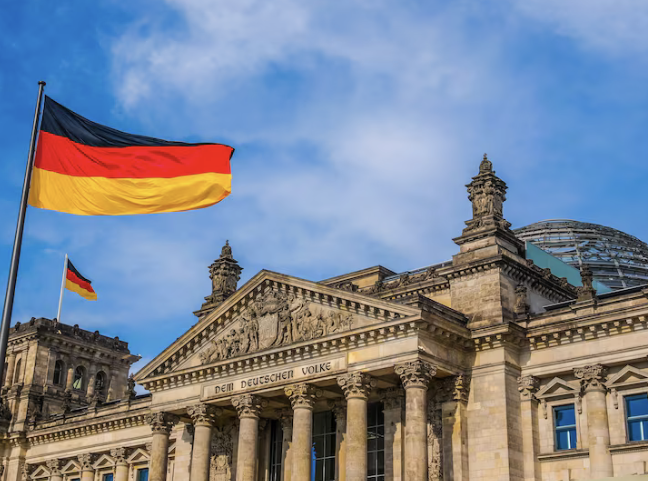
Germany Doesn’t Promise Fast Wins - It Delivers Long-Term Security
Germany is rarely described as exciting when it comes to real estate.
And that is precisely why serious buyers keep choosing it.
While other markets move in cycles of hype and correction, Germany’s property market is built on fundamentals - population demand, rental culture, limited supply, and strict regulation.
This is what makes Germany one of the most defensive real estate markets in Europe.
The Numbers: What Property Actually Costs in Germany
Property prices vary widely by city, but Germany remains more balanced than many global markets.
Average Apartment Prices per Square Meter
- Germany nationwide average - €3,500 to €4,200 per sqm
- Major cities average - €4,500 to €6,500 per sqm
City Examples
- Berlin - €4,800 to €5,500 per sqm
- Hamburg - €5,500 to €7,000 per sqm
- Munich - €8,000 to €11,000+ per sqm
- Leipzig, Magdeburg, Chemnitz - €2,500 to €3,500 per sqm
This wide spread allows buyers to choose between capital stability and regional value entry.
Germany Is a Renter Nation And That Supports Prices
Around 50 percent of Germany’s population rents, one of the highest ratios in Europe.
What this means for buyers:
- constant rental demand
- low vacancy in urban areas
- long-term tenants
- predictable income streams
In cities like Berlin, Hamburg, and Munich, vacancy rates remain extremely low, especially for well-located, energy-efficient apartments.
This renter culture creates a permanent demand floor under property values.
Supply Is Structurally Limited
Germany does not build quickly.
Strict zoning laws, environmental regulations, and long approval processes limit how fast new housing can enter the market. In many cities, new construction still falls short of actual demand.
For buyers, this matters more than short-term price movements.
Limited supply plus steady demand equals long-term value protection.
Additional Costs Buyers Should Know
Germany is transparent about transaction costs, which are higher than in some countries but clearly regulated.
Typical additional costs:
- Property transfer tax - 3.5 to 6.5 percent (Berlin - 6 percent)
- Notary and land registry - approx. 2 percent
- Agent fee (if applicable) - approx. 3 to 4 percent
Total additional costs usually sit around 10 to 12 percent of the purchase price.
This discourages speculation and encourages long-term ownership.
Rental Yields: Not Explosive, But Reliable
Germany is not a high-yield market like Dubai.
Typical gross rental yields:
- Major cities - 3 to 4.5 percent
- Regional cities - up to 5 percent
What investors gain instead:
- low volatility
- stable tenants
- strong legal framework
- predictable cash flow
Germany is chosen by buyers who value capital preservation as much as income.
Why International Buyers Still Choose Germany
Despite higher interest rates and rising prices over the past decade, Germany remains attractive because it offers:
- Europe’s largest economy
- strong legal protection for owners
- transparent land registry system
- political and economic stability
- a diversified, multi-city market
Many buyers don’t come to Germany to “beat the market.”
They come to sleep well at night.
Final Takeaway
Germany is not a market for speculation or quick exits.
It is a market for buyers who want:
- stability
- long-term demand
- regulated systems
- predictable ownership
With real prices, real tenants, and real supply constraints, German real estate continues to serve as a cornerstone asset in European property portfolios.
For buyers thinking long term, Germany remains one of the most rational places in Europe to own property.