
The Market Shift No One Predicted: Supply Is Up, Demand Is Smarter
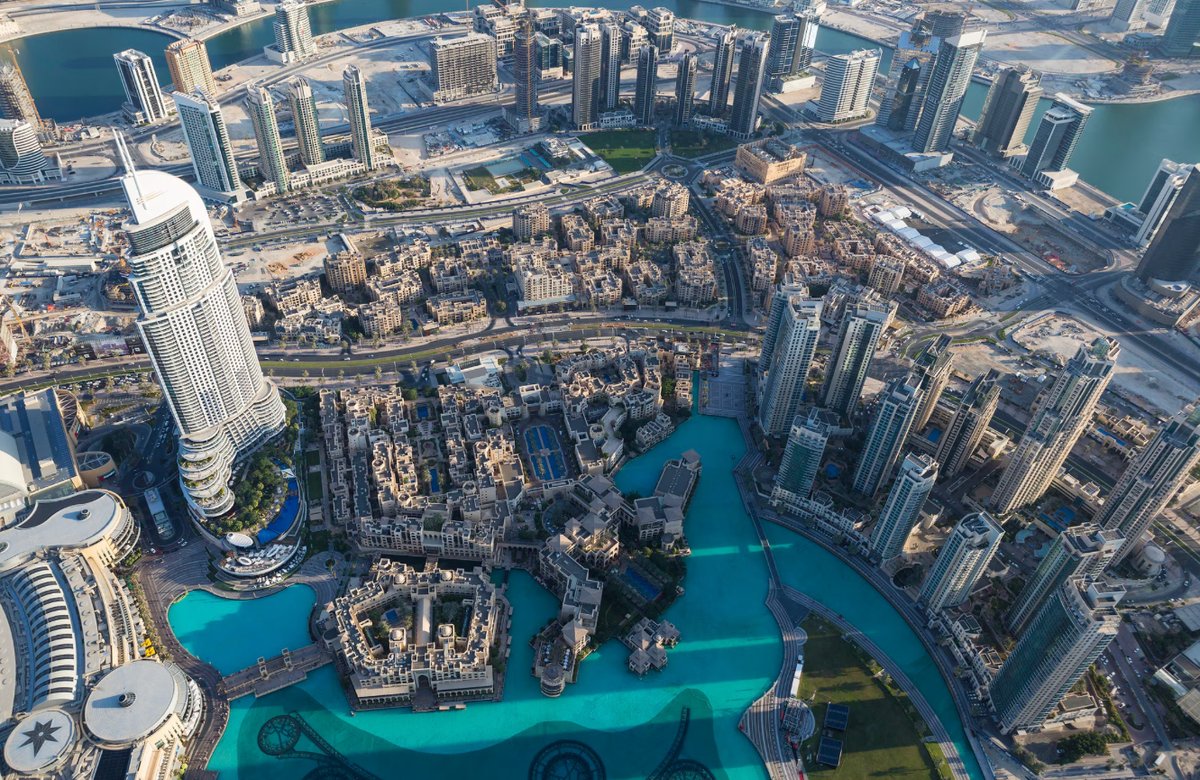
Dubai 2026: The Market Shift No One Predicted
Something unusual is happening in Dubai’s property market, and it is not what analysts were forecasting two years ago.
For a decade, Dubai's real estate story followed a familiar pattern:
rapid launches, rapid sales, rapid growth.
But entering 2026, a different dynamic has emerged, one that is quietly reshaping the market.
It is not a crash.
It is not a boom.
It is something in between, and something entirely new:
a high-supply, high-demand market where buyers have finally regained control.
Here is what is actually changing.
1. Supply Is Surging, But Prices Aren’t Collapsing
The city is delivering its largest volume of new units in years.
Normally, in most markets, this would soften prices dramatically.
Dubai is not behaving like a normal market.
Despite the supply wave, pricing remains steady.
Why? Because demand has not disappeared - it has changed shape.
People are still buying, but they are no longer buying impulsively.
The market is transitioning from urgency to evaluation.
2. The “Selective Buyer” Has Arrived
This is the biggest shift.
In previous cycles, buyers competed aggressively for units.
In 2026, they are comparing.
Comparing developers.
Comparing handover dates.
Comparing payment plans.
Comparing rental yields, maintenance fees, micro-locations, resale potential.
The buyer is no longer driven by fear of missing out.
They are driven by value, logic and longevity.
This is new for Dubai.
3. Not All Communities Are Equal Anymore
Search patterns show that buyers are no longer obsessed with broad districts.
They care about specific streets, micro-clusters, and access points.
For example:
Two communities five minutes apart can now show completely different demand levels depending on:
- traffic flow
- school proximity
- tenant demand
- maintenance quality
- completion timelines
- developer reputation
Dubai’s market has become hyper-local.
Investors are studying the map at a finer resolution than ever before.
4. Off-Plan Demand Has Split Into Two Categories
Previously, all off-plan projects attracted similar interest.
Now, the demand is separating into two distinct groups:
- Off-plan for positioning (long-term buyers wanting to lock in good areas).
- Off-plan for liquidity cycling (investors stacking smaller, easily tradable units).
This split is affecting:
- pricing strategies
- launch timing
- resale behaviour
- handover expectations
Developers are adapting differently depending on which segment they want to capture.
5. A Quiet Normalization Is Underway
Dubai is entering a phase most global cities experience, but on its own terms:
a maturing, data-driven, value-conscious real estate cycle.
Instead of:
Buy fast.
Sell fast.
Move on.
The new rhythm is:
Research carefully.
Buy strategically.
Hold with intention.
This is not slowdown.
This is structure.
6. The Market’s Biggest Advantage Right Now: Balance
For the first time in years, Dubai offers a balance that is unusual for the city:
- strong supply
- consistent demand
- controlled pricing
- selective investment behaviour
- clearer long-term fundamentals
It is neither volatile nor static.
It is a functioning, confident, maturing market with space for strategic entry.
Dubai’s 2026 property story is not about explosive highs or dramatic corrections.
It is about a market finding its equilibrium after years of acceleration.
That equilibrium is creating opportunities for buyers who prefer logic over hype.
Dubai remains active, ambitious and fast-moving but it is no longer chaotic.
This is a rare moment where the city offers both choice and stability.
For serious buyers, that combination is extremely valuable.