
“Is Berlin Still Affordable?” The Real Reason Prices Are Stabilizing
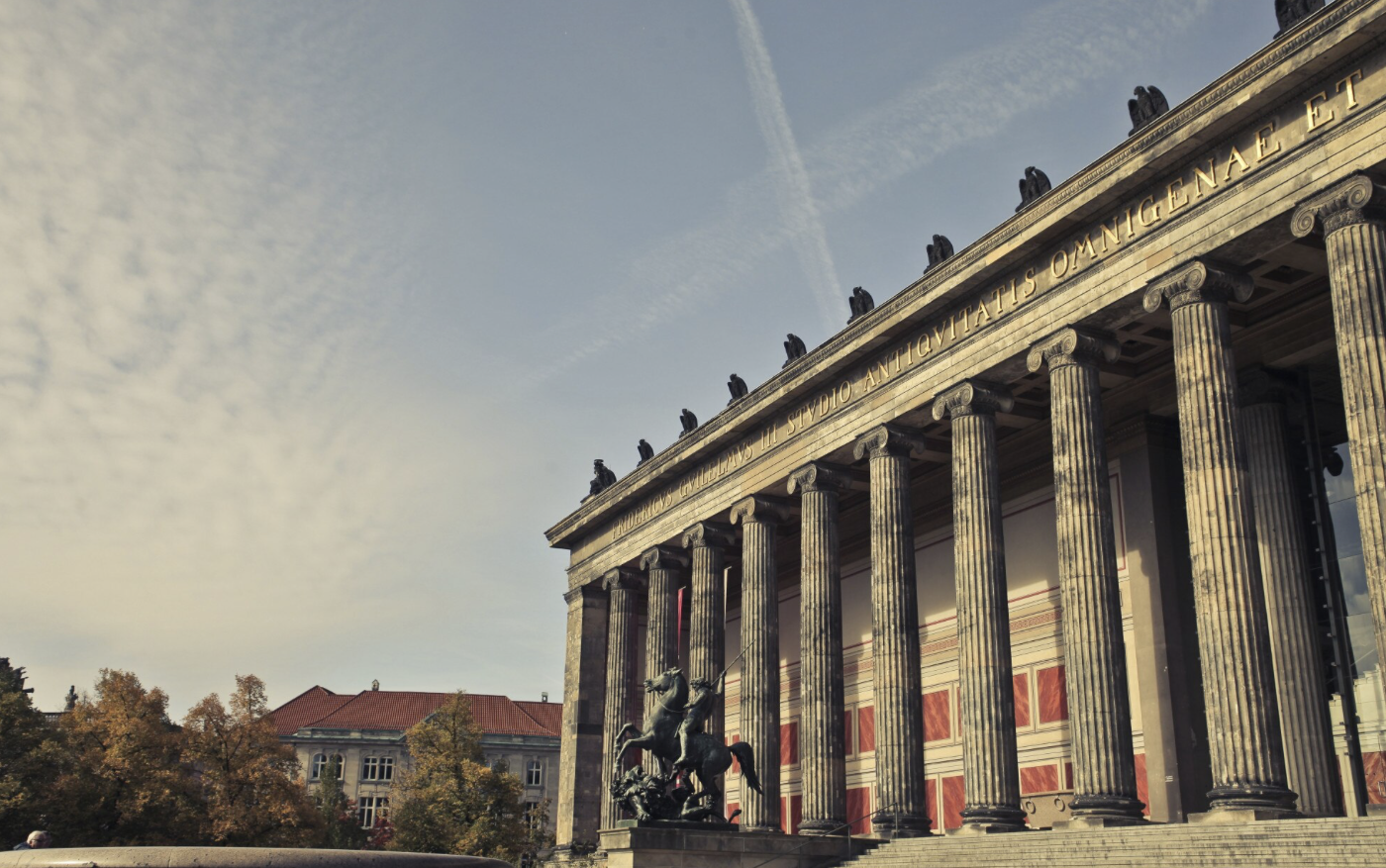
Is Berlin Still Affordable? The Real Reason Prices Are Stabilizing
As Europe heads into 2026, Berlin is showing one of the strangest combinations in any major capital city:
- Rents rising faster than ever
- Vacancy close to zero
- High demand for housing
- Yet… purchase prices stabilizing instead of exploding
This is creating one of the most attractive windows Berlin has seen in years and everyone from first-time buyers to long-distance international investors is paying attention.
Let’s break down what is actually happening behind the scenes.
1. Berlin Has Entered Its “Correction + Opportunity” Phase
For the first time in more than a decade, Berlin’s property market is no longer behaving like a runaway train.
After years of aggressive buyer competition, the market cooled just enough for:
- sellers to become more realistic
- buyers to regain negotiation power
- prices to flatten instead of spike
It’s not a crash. Not even close.
It’s a reset and resets create opportunities.
2. Demand Is Rising, But Financing Has Become Smarter
People still want to buy in Berlin. They always will, the city keeps growing, jobs keep increasing, and housing supply is still painfully low.
But buyers are no longer rushing in with emotion.
They are:
- comparing districts carefully
- choosing energy-efficient buildings
- looking for long-term rental potential
- avoiding overpriced listings
- analyzing running costs
This new buyer behaviour is keeping prices rational, even though demand is high.
In other words: the smart buyer has returned and they’re keeping sellers in check.
3. The Rental Market Is Pushing People Toward Ownership
One of the biggest Berlin search trends going into 2026 is:
“Should I buy instead of renting?”
No surprise:
- Rents in many districts have increased dramatically
- New rental contracts are significantly more expensive
- Renovated units and new builds are almost impossible to find
- Interest rates are slowly easing back down
People who never imagined owning property are suddenly doing the math.
Many realise that buying may cost the same or even less than renting long-term.
This shift is creating a new wave of demand not from luxury buyers, but from young professionals, tech employees, creatives, and internationals who want stability.
4. The Next Berlin Hotspots Are Not Where You Think
Search trends for 2025-2026 show huge growth for areas that weren’t traditionally considered “top tier.”
People are looking for:
- smaller, calmer neighbourhoods near S-Bahn and U-Bahn
- districts with modernised Altbau buildings
- areas with improving infrastructure
- emerging micro-locations right outside the Ring
These areas are drawing attention because:
- the price-to-quality ratio is better
- transportation is improving
- rental demand is extremely strong
- community life is growing
Berlin’s “next wave” districts are becoming the new core of the city’s investment market.
5. Berlin 2026 Is Not a Bargain - But It Is a Smart Buy
Is Berlin still affordable?
Compared to Paris, Amsterdam, Munich, Zurich, Copenhagen, or even Lisbon… absolutely.
But Berlin is no longer “cheap.”
Instead, Berlin has become a market where:
- supply is limited
- demand is steady
- price growth is logical
- returns are solid
- long-term security is strong
2026 will not be a year of dramatic price drops or rapid spikes.
It will be a year of balanced stability which is rare for a major capital city.
And that makes it attractive.
Final Word
Berlin is stepping into 2026 with:
- stabilised prices
- rising rents
- consistent population growth
- low supply
- more rational buyers
- more realistic sellers
This is not a market to “wait and see.”
It’s a market to understand and act on strategically.
If you want a breakdown of which Berlin districts offer the strongest price stability, rental potential, or long-term growth, we can prepare a tailored property overview based on your goals.