
Berlin Real Estate in 2026: Buyers Are Quietly Coming Back
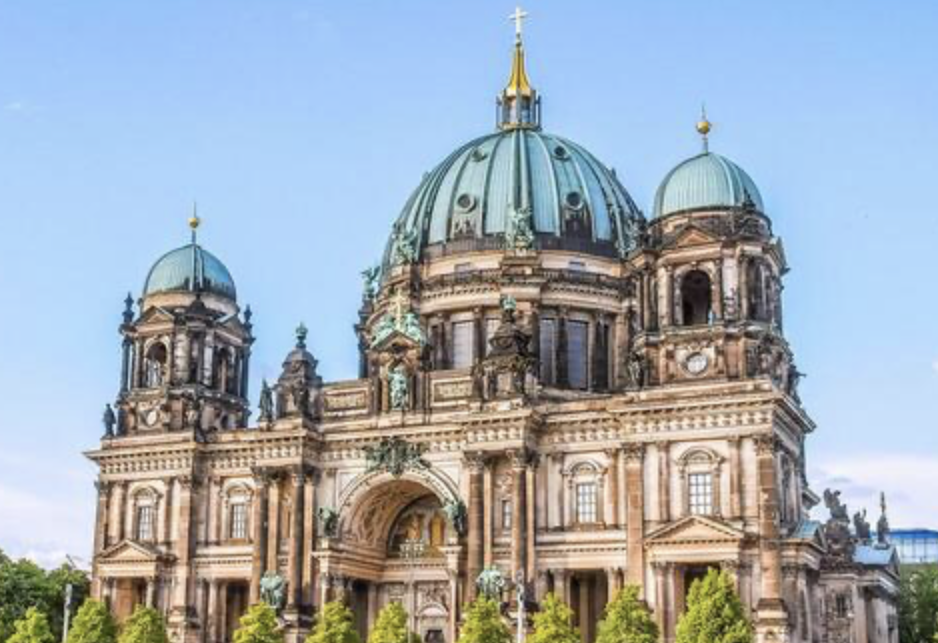
Berlin Real Estate in 2026: Why Buyers Are Quietly Coming Back
Berlin is not a “fast profit” city. It never really was. Berlin is a patience market, a fundamentals market, and a long game market. And that is exactly why, in 2026, it is starting to pull serious buyers back in.
After a couple of years where many investors paused, people are returning with a different mindset. They are not asking, “How fast can I flip?” They are asking, “Where can I hold something real, in a capital city, with long term demand, and limited space?”
Berlin fits that profile.
The question people keep asking
Is Berlin still worth buying in, or is it too regulated and too slow?
Berlin is regulated, yes. It is also one of Europe’s most consistent demand cities because the city keeps attracting residents for the same reasons: jobs, universities, culture, startups, international life, and relative affordability compared to other major capitals. People move to Berlin and they do not all leave after one year. That matters more than hype.
The second reason is supply. Berlin cannot expand endlessly. New construction exists, but not at a level that suddenly makes existing housing irrelevant. In markets like this, the best assets hold value because scarcity is structural, not seasonal.
What Berlin buyers actually want in 2026
In Berlin, buyers are becoming more selective. The most requested properties are not the “most luxurious.” They are the most practical.
Altbau apartments in strong neighborhoods with good light and a clean layout
Homes that can be held long term with predictable maintenance
Units that stay liquid, meaning they are easy to rent and easy to resell
Buildings with stable management and transparent service charges
Locations with real daily life, not just tourist beauty
Berlin rewards boring decisions that are correct.
Where people look right now
Most buyers choose areas based on lifestyle and stability rather than trends.
Charlottenburg and Wilmersdorf for classic, secure demand and international comfort
Prenzlauer Berg for family demand and long term neighborhood stability
Mitte for centrality and liquidity, especially for professionals
Friedrichshain and Kreuzberg for creative demand and high rental pressure
Schöneberg for balance, connectivity, and consistent everyday living
The point is not “which is the coolest.” The point is “which stays wanted in every market mood.”
The cost reality that surprises foreigners
In Berlin, the purchase price is not the full budget.
Buyers should expect additional costs such as property transfer tax, notary and registration, and often agent fees depending on the deal. This is why Berlin feels more serious than some other markets. It filters out speculative buyers and leaves the people who are actually prepared to own.
Why Berlin can still be a smart move
Berlin is not a place where you buy and instantly win. It is a place where you buy correctly and quietly build wealth.
If you choose the right building, the right micro location, and a layout that will always be desirable, Berlin gives you something rare in 2026: stability you can feel. Not a promise, but a structure.
Berlin works best for buyers who want a European base, a long term asset, and a city that keeps pulling people in year after year. If you tell me your budget range and whether you want a personal home or an investment property, I can tailor this into a sharper version for your website with a matching headline, excerpt, and call to action.